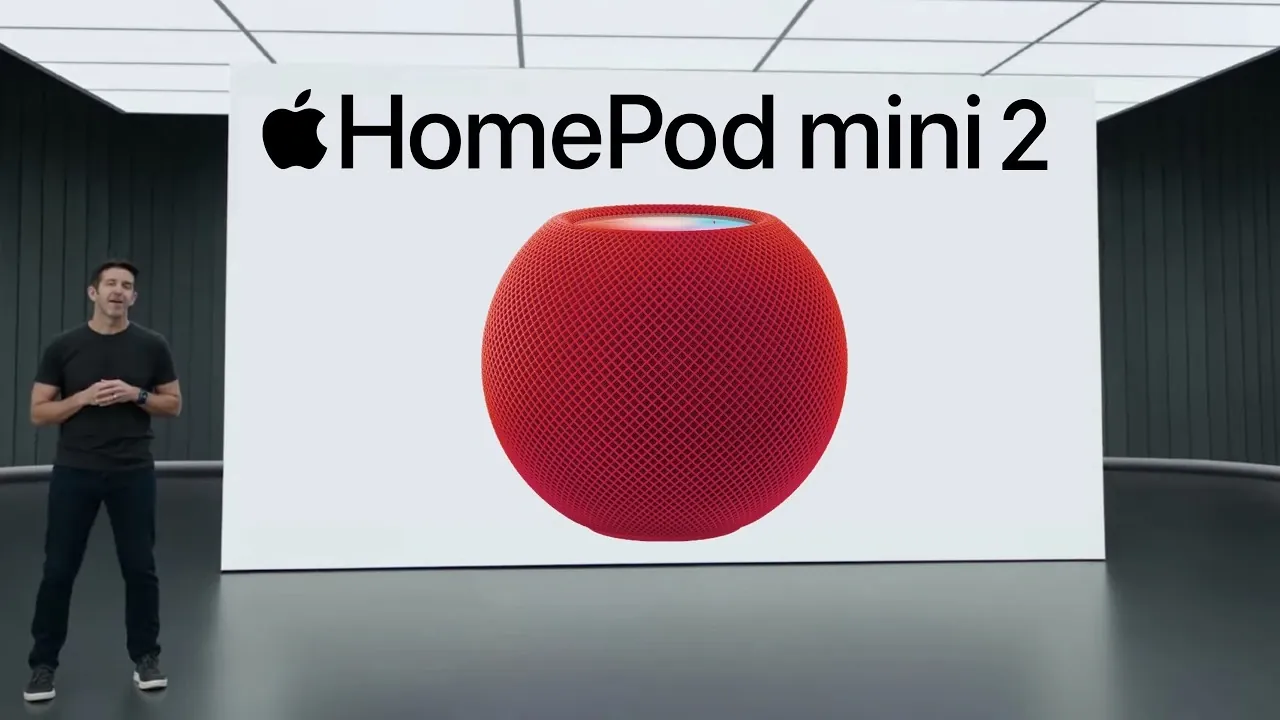
Apple has reportedly completed the development of the HomePod mini 2 and the next Apple TV 4K, but their release has been delayed. The reason lies in Apple’s strategic decision to prioritize the integration of a more advanced Siri, powered by its proprietary Apple Intelligence. This approach reflects Apple’s commitment to aligning hardware launches with significant software advancements, making sure that new devices fully use next-generation technologies. While this strategy promises to enhance the overall user experience, it has also left consumers eagerly awaiting these highly anticipated updates. The video below from SaranByte gives us more details on why the HomePod Mini 2 has not been released as yet.

What’s the Current Status?
Both the HomePod mini 2 and Apple TV 4K are reportedly complete and undergoing rigorous internal testing. Unlike delays typically caused by hardware production or supply chain disruptions, this postponement is directly tied to software readiness. Apple is waiting for the next-generation Siri to be fully optimized before releasing the devices. This decision underscores Apple’s dedication to delivering a seamless ecosystem where hardware and software work in perfect harmony, making sure that users experience the full potential of their devices from day one.
What’s New with Siri?
The delay revolves around Apple’s next-generation Siri, which will be powered by the company’s advanced Apple Intelligence platform. This upgraded version of Siri is expected to introduce several fantastic features that will significantly enhance its functionality:
- Context Awareness: Siri will gain the ability to better understand and respond to nuanced commands, making interactions more natural and intuitive.
- Memory Retention: The assistant will remember past interactions, allowing it to provide more personalized and contextually relevant responses.
- Enhanced App Integration: Siri will work more seamlessly across Apple’s ecosystem, improving its utility across devices and applications.
These advancements are particularly critical for the HomePod mini 2, as Siri’s current limitations have restricted its potential as a truly effective smart home assistant. By waiting for these upgrades, Apple aims to position the HomePod mini 2 as a central hub for your smart home, capable of delivering a more intelligent and connected experience.
Hardware Enhancements
The HomePod mini 2 is expected to feature several hardware upgrades designed to complement its expanded capabilities and enhanced software integration:
- Faster Processing: A more powerful chipset, likely the S9 or a newer iteration, will enable faster on-device processing, reducing reliance on cloud-based operations and improving responsiveness.
- Improved Connectivity: The inclusion of the N1 chipset could bring support for Wi-Fi 7 and Bluetooth 6, making sure seamless communication with other smart home devices and improving overall reliability.
- Enhanced Audio: Incremental improvements in sound quality are anticipated, further solidifying the HomePod mini 2 as both a high-quality speaker and a smart assistant.
These hardware enhancements aim to deliver a faster, more reliable and immersive user experience, making sure that the HomePod mini 2 meets the demands of modern smart home environments.
Design: Familiar Yet Functional
The HomePod mini 2 is expected to retain its signature compact, mesh sphere design, which has become a hallmark of its aesthetic appeal. While the overall form factor is unlikely to change, Apple may introduce new color options to cater to a broader audience and refresh its visual appeal. This design philosophy reflects Apple’s focus on functionality, making sure that the device’s form supports its enhanced capabilities without unnecessary alterations. By maintaining a familiar design, Apple reinforces the HomePod mini 2 as a recognizable and reliable part of its smart home lineup.
When Will It Launch?
The release of the HomePod mini 2 and Apple TV 4K is expected to coincide with the unveiling of iOS 27 at Apple’s Worldwide Developers Conference (WWDC) in 2026. This annual event serves as a platform for Apple to showcase its latest software innovations and the upgraded Siri is anticipated to take center stage. Following the announcement, the devices are likely to launch in the fall, aligning with Apple’s traditional schedule for hardware releases alongside its new iPhone lineup. This timeline allows Apple to ensure that both hardware and software are fully optimized, delivering a cohesive and polished experience for users.
Apple’s Strategic Approach
Apple’s decision to delay the release of the HomePod mini 2 and Apple TV 4K highlights its broader strategy of prioritizing seamless integration across its ecosystem. By aligning hardware launches with major software updates, Apple ensures that new devices deliver a cohesive and enhanced user experience. This approach is particularly evident in its smart home ecosystem, where multiple devices rely on the upgraded Siri to unlock their full potential. While this strategy may test consumer patience, it reflects Apple’s long-term commitment to innovation, quality and user satisfaction.
What Are the Risks?
While Apple’s strategy offers clear benefits, it is not without risks. If the next-generation Siri fails to meet consumer expectations, the prolonged delay could lead to disappointment and frustration. However, if successful, the HomePod mini 2 could redefine its role as a smart home hub, offering:
- Enhanced functionality: A smarter assistant capable of handling more complex tasks.
- Improved responsiveness: Faster and more accurate interactions with users.
- Seamless integration: A more connected experience across Apple’s ecosystem of devices.
For consumers, the wait could ultimately prove worthwhile, as these advancements promise to deliver a smarter, more connected and more intuitive smart home experience.
The Bigger Picture
The HomePod mini 2 and Apple TV 4K represent Apple’s vision for the future of smart home technology. By delaying their release to align with the launch of the next-generation Siri and iOS 27, Apple is betting on the importance of software-driven innovation. While the wait may test your patience, the potential for a more intelligent and integrated smart home ecosystem could make these devices worth the anticipation. If Apple’s strategy succeeds, the HomePod mini 2 could become a cornerstone of its smart home lineup, delivering advanced technology and a seamless user experience that sets a new standard for the industry.
Here is a selection of other guides from our extensive library of content you may find of interest on HomePod mini 2.
- Apple’s New HomePod Mini 2 Is Finished, but You Can’t Buy It Yet
- Apple’s HomePod Mini 2 Delay is Intentional: The Secret Reason Revealed
- Beyond the iPhone: Apple has New Products ‘Ready’ for a Spring Surprise
- Why the HomePod mini 2 Leak Isn’t Exactly Good News
- HomePod mini 2 Launching on September 9: It’s the Smart Speaker You’ve Been Waiting For!
- HomePod Mini 2 Leak: Why Retailers Are Clearing Shelves Now
Source & Image Credit: SaranByte
Disclosure: Some of our articles include affiliate links. If you buy something through one of these links, Geeky Gadgets may earn an affiliate commission. Learn about our Disclosure Policy.
